



















Konrad Kaczmarek
-
Mar 06, 2026
-
3 MIN READ
Let's talk business
Contact us →In 2026, siloed audits are dead. At Flying Bisons, we've moved to something we call the Conversion Matrix. It's an integrated approach where technical performance, user psychology, and AI visibility work as a single system.
Here's how each layer works.
Start with the foundation
When we work with dev teams today, "green scores in PageSpeed" isn't the goal anymore. Stable, fast architecture is what AI-driven search algorithms actually reward. If technical hygiene is poor, AIO – AI Overviews, Google's AI-generated search results won't recommend you.
Three metrics matter most right now: INP (Interaction to Next Paint) measures how fast a page responds to user input. LCP (Largest Contentful Paint) tracks how quickly the main content loads. CLS (Cumulative Layout Shift) measures how much page elements move around while loading. Think clicking a button – only for it to shift at the last second, and you tap something else entirely. The higher the score, the worse the experience. All three correlate directly with visibility in generative search results – and they affect campaign Quality Score more than most marketers realise.
A technical audit here identifies the bottlenecks blocking conversion.
Tools we use:
Lighthouse
Google Search Console
Custom performance monitoring
Watch what users actually do
We're done collecting opinions. We analyse product detail pages and checkout flows to find where users hesitate and why they abandon.
AI-assisted session recording analysis lets us catch micro-frustrations as rage clicks faster than manual review ever could. Heatmaps and session data give you hard evidence for UX/UI decisions. We don't feel it. It's proof.
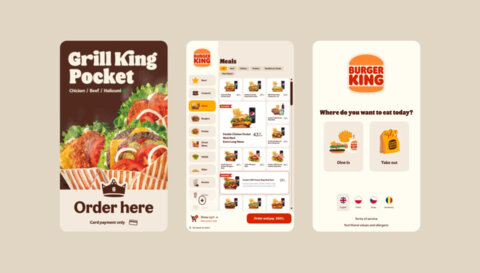
This is the standard we developed during audits for market leaders like KFC and Smyk.
Tools we use:
Hotjar
Microsoft Clarity
... that's leaking conversions. Start with a quick diagnostic and see which layer of your Conversion Matrix needs fixing first.
Book a conversion audit →Get found by AI, not just humans
During many projects, we learned that a site needs to be readable by generative bots, not just humans. LLMs decide whether to recommend a brand. If content isn't semantically structured around purchase intent, it's invisible to them.
Traditional SEO is evolving into AEO: Answer Engine Optimisation. Content needs to match how AI interprets buying intent, not just how humans search.
Track everything, assume nothing
Without precise tracking, there's no way to tell which layer is failing. We build a feedback loop connecting behavioural data to real sales outcomes. Straight into a CRM. It could be yours.
Google Tag Manager (GTM) is what fires all tracking scripts. Standard GTM runs in the browser, and browsers block a lot of it. Server-side GTM moves that tracking to your own server instead. It recovers up to 30% of the conversion data you're currently losing.
That recovered data feeds ad algorithms with first-party data – what you collect directly from users, without third-party cookies or middlemen. Ad algorithms trust it more than anything else.
Tools we use:
GA4
Google Cloud Platform (GTM Server-Side)
BigQuery
Before you go
Most websites don’t have one problem – they have a broken system. All four layers have to work. Miss one, and the whole system leaks.
Ready to audit yours? Let's find the layer that's leaking first.